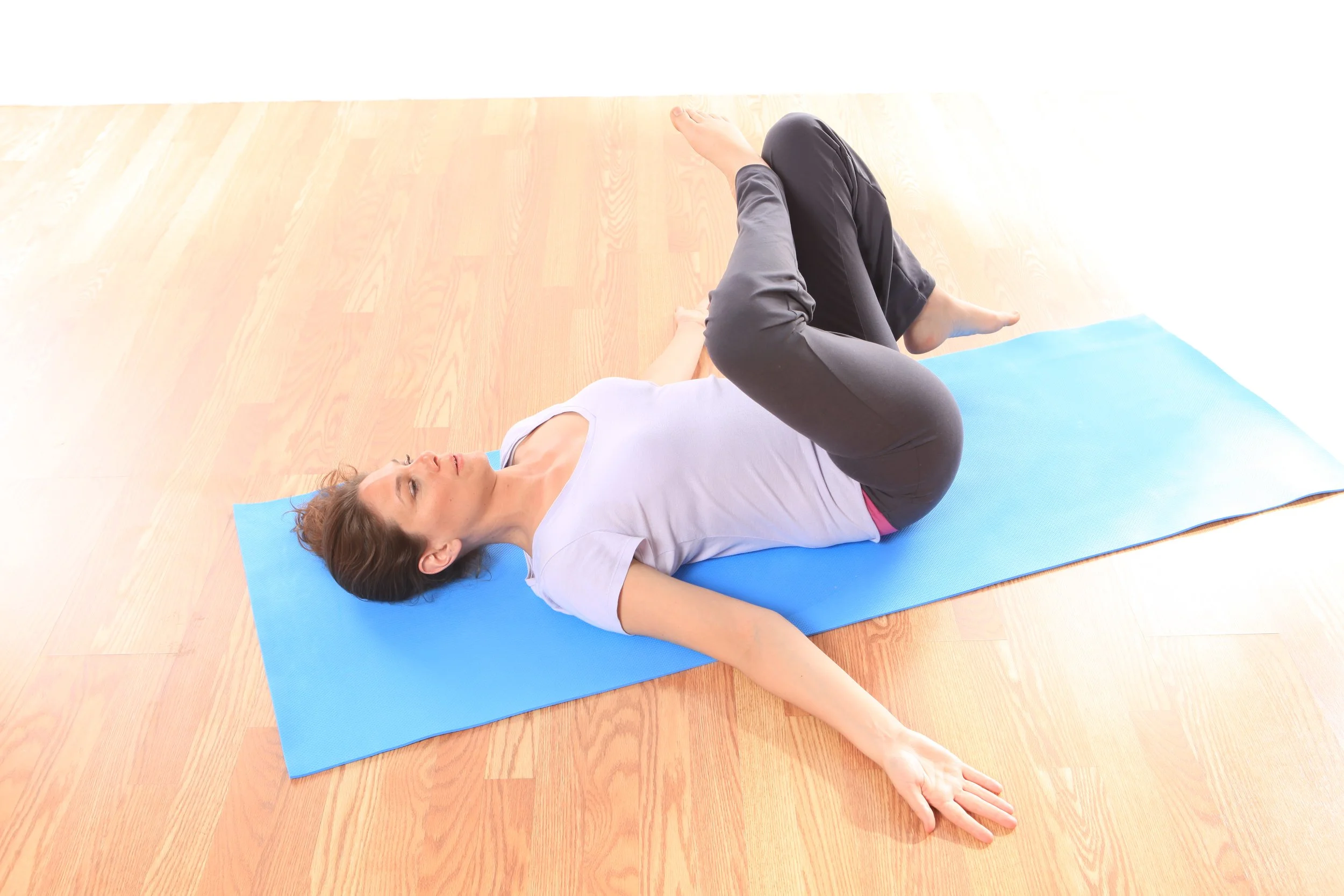
Pain-Informed Yoga
50-Hour On-Demand Myofascial Yoga Teacher Training
Explore how to move in harmony with body, mind and spirit by deepening your understanding of fascia, biotensegrity, and your nervous system, with the goal of pain management and working with chronic pain populations.
Are you ready to take your understanding of fascia to a new level?
Do you ever wonder how you could move with greater ease, efficiency, and joy?
Is injury or chronic pain a regular feature in your life or your clients’ lives?
This teacher training incorporates myofascial release, biotensegrity, and pain science into a blend of movement, meditation and self-healing that will empower you to move freely on your mat and in your life.
In order to really understand fascia, you need to understand the principles of biotensegrity” – Joanne Avison
This 50-hour online on-demand course offers you and your clients more freedom and ease in daily tasks. In this training, we will be exploring how to move in harmony with body, mind and spirit by deepening our understanding of fascia, biotensegrity, and your nervous system, along with discovering functional movements from the inside out. This is particularly helpful for pain management and when working with chronic pain populations.
Christine is truly unique in that she teaches yoga within a biotensegrity myofascial model and knows how to embody a trauma-informed approach…I highly recommend studying with Christine and her guest teachers.” – Former Student
In this training, we will cover topics such as:
The parallels between polyvagal theory and pain science, and how to create an environment of safety for your yoga classes and your clients in pain.
Understanding biotensegrity to understand movement, and how to get the most out of your yoga or movement practice.
Understanding movement compensation patterns: why they happen, how to bring unconscious movement habits into conscious awareness, and where they can be changed to become more efficient.
How to work safely and effectively with chronic pain populations.
Understanding the true purpose of body tension, and how to bring it into balance and integrity in all body types.
Developing yoga sequences to bring the forces of tension and compression into balance for all body types.
Understanding the link between chronic pain and fear of movement, and how to bring safe healing back into your clients’ life for pain reduction and improved strength and function.
How to read bodies and assess tension patterns to bring about positive change for all body types.
Bonus Monthly Practice Sessions
Practice sessions that go along with each module take place once a month on the Wednesday “teenth” (a date between the 13th and 19th, like January 14th or February 18th). It is not required that you attend the Wednesday classes live, though they are a great opportunity to practice with community and ask any questions you may have on our month’s current content. Replays of these classes are provided to you and are part of your course package for extra practice time.
Click here to go to bonus monthly practice session dates and descriptions.
Register Now
Please read our Refund Policy
Get lifetime access to this on-demand, self-paced course.
What is biotensegrity?
If you are a yoga teacher working with chronic pain populations, or even with athletes who want to sharpen their performance, incorporating the principles of biotensegrity is invaluable. Biotensegrity brings a focus on balancing the two forces of tension and compression. The word tensegrity is the blend of the words “tensile” and “integrity.” The philosophy is that when tension and compression are in integrity, the body is in balance and its energy can be used optimally and efficiently. Ideally, this looks like smooth, controlled, and efficient movement. When there has been injury or stress, the tension and compression relationship can get out of balance and postural tension in one area of the body can lead to excess compression in other areas.
How do these imbalances occur? Our bodies and brains love efficiency, so when fascia restricts due to injury or repetitive stress, our body needs to adapt to the new limitations (or demands) and find new pathways for movement forces. Sometimes this looks like a change in movement habits to avoid pain, and sometimes it is a lack of mobility or flexibility (for example, due to muscle protection).
For the sake of efficiency, the body will very quickly “learn” this new habit and integrate it as a new normal so that we can get busy focusing on other important things. This habit then becomes unconscious, meaning that you are doing it but you don’t know you are doing it. Incorporating mindfulness into movement practices is something we’ll be addressing in this training as one of the key elements to restoring the biotensegral balance of our movements. This allows us to become aware of old habits, to shift movements into conscious awareness, and to then choose balanced and healthy movements to reflect a more balanced and healthy life.
Instructors